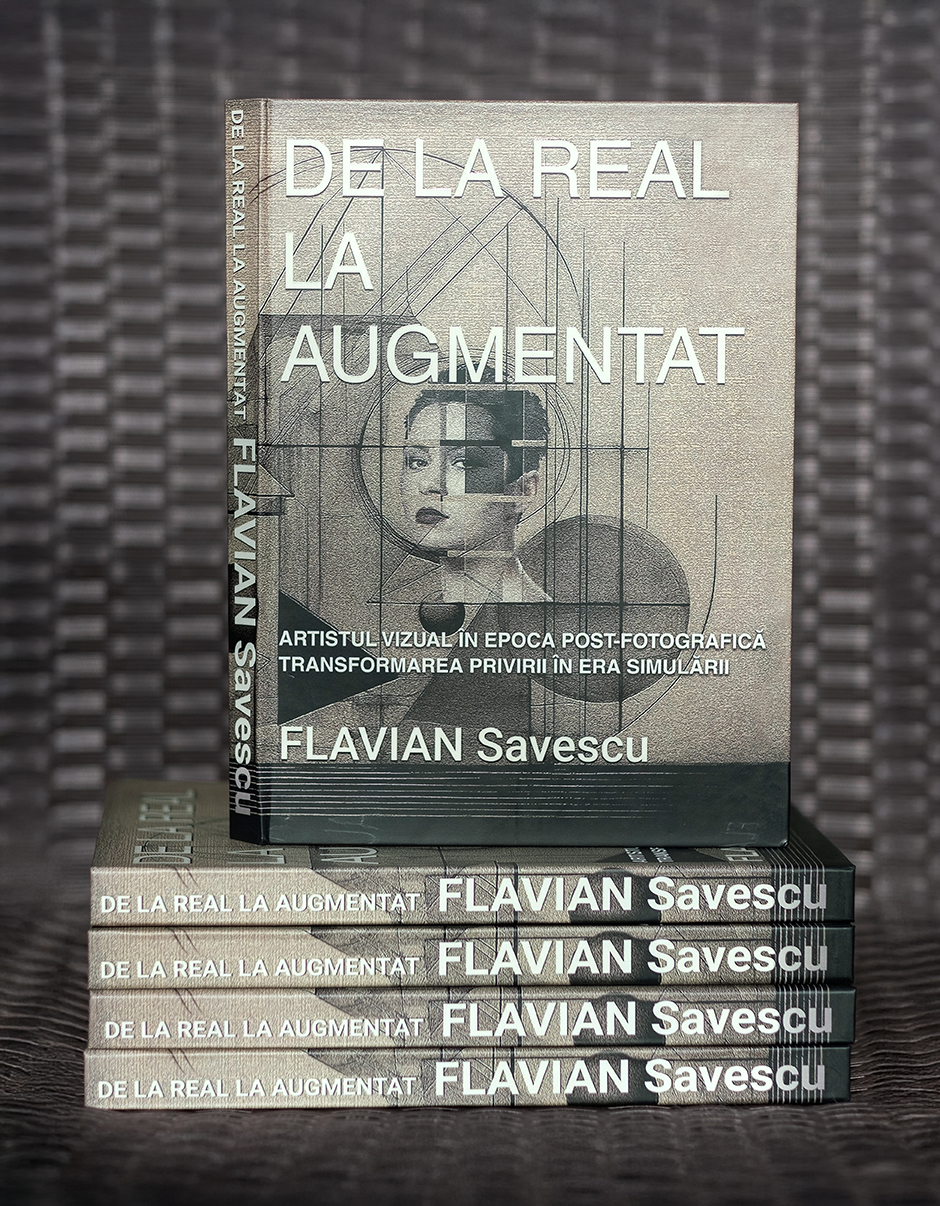
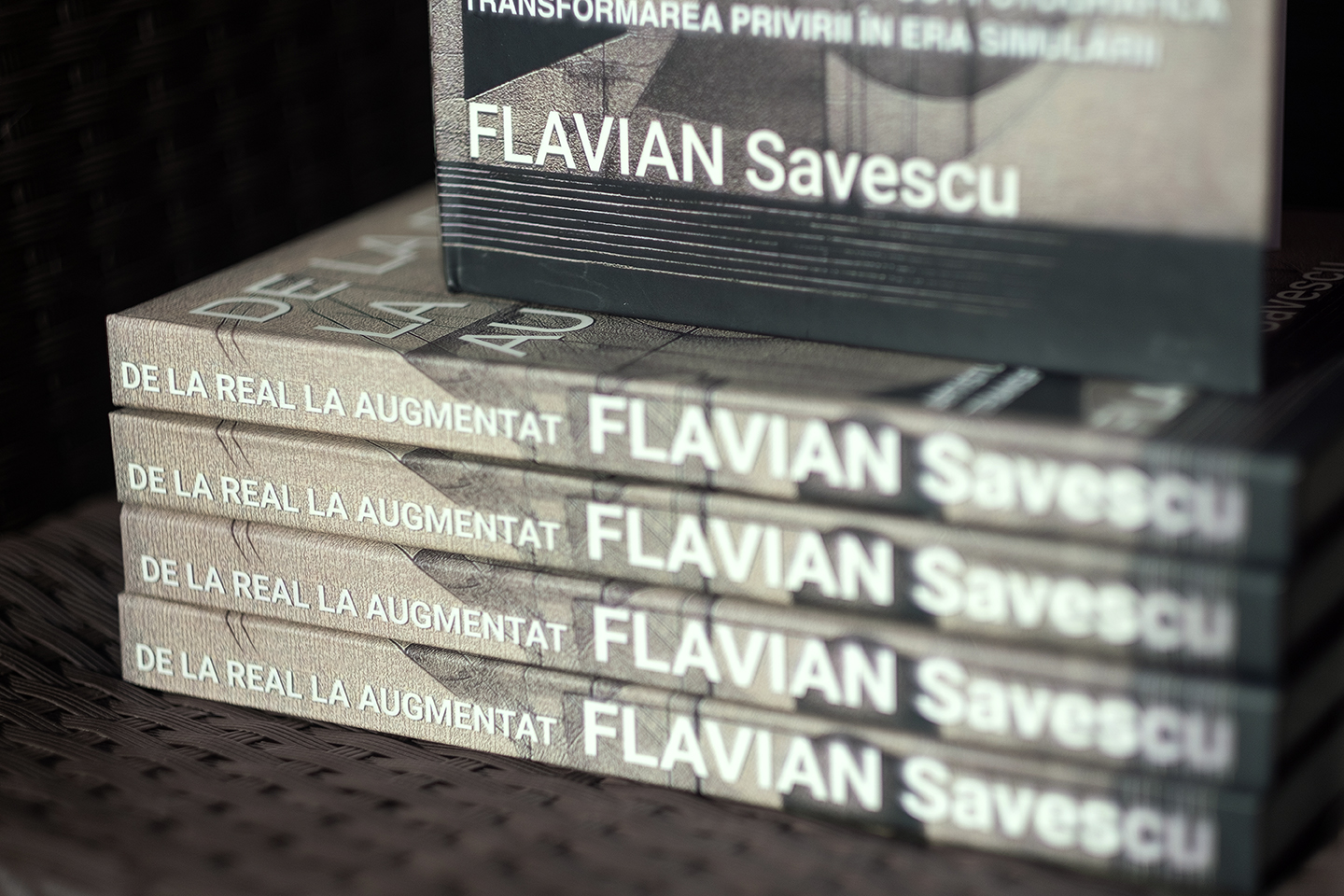
A work about the transformation of the image in the era of artificial intelligence and simulation.
"In a world where the image can be fabricated without effort, where visual truth is negotiable, and the boundary between the real and simulation grows ever more diffuse, the artist can no longer be indifferent. Can no longer create without asking what is being conveyed, to whom it is addressed, what consequences the gesture carries. Creation is no longer merely an aesthetic act, but an ethical one: to create is to choose and to assume the consequences."
— from "From Real to Augmented"
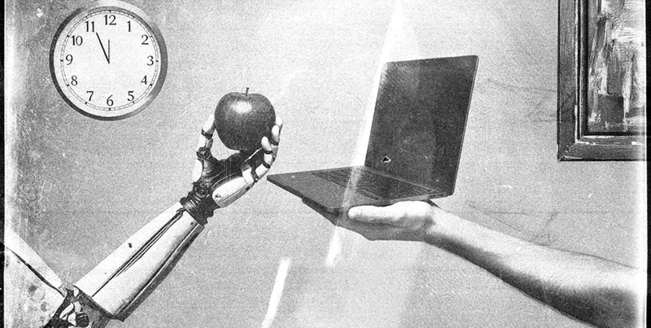
This book was born from within — from an artistic practice in which photography gradually gave way to the generative image, and questions about representation became impossible to avoid.
Written by a visual artist working at the intersection of post-photography, artificial intelligence, and theoretical research, the work does not propose a view from the outside of these transformations. It proposes a view from within them.
From photography as document to image as process — the book traces the way in which reality is reinterpreted, augmented, and reconstructed in contemporary art, and what it means to be an author at a moment when the algorithm becomes a creative partner.
Based on theoretical research and personal artistic practice, the work proposes the AIM triad (Attention–Intention–Message) as an instrument for reading the image in the generative era — a framework built in the studio, not only in the library.
Printed volume · 299 pages · A4 format
ISBN 978-973-0-43236-7 · Reșița, 2026
The volume is part of the complete research and publications profile available on the Artistic Activity page.

The image is no longer merely a representation of reality. It becomes a space of construction, collaboration, and interpretation between human and technology.
The artist is no longer merely a creator — but a mediator between the real, the augmented, and the generated.
The book follows four main threads, built progressively:
The evolution of photography — from document to language, from capture to construction.
The transition toward digital and generative art — what changes in the artistic process when the algorithm enters the equation.
The human–algorithm relationship — what real collaboration between artist and tool looks like, beyond enthusiasm or panic.
The ethics of the image — what responsibility falls to the artist in a world where reality can be convincingly simulated.
Each theme is illustrated through case studies and personal artistic projects.
Because the image is no longer neutral.
Photography is no longer evidence — it is construction. Reality can be simulated, and the boundary between document and fiction has dissolved. This book does not lament the transformation, nor does it celebrate it uncritically. It proposes a framework for understanding, built from within artistic practice.
For visual artists and photographers who sense that the tools have changed, but are not sure exactly how to name the change.
For students and researchers interested in new forms of the image and the ethics of visual production.
For anyone who wants to understand not only how the image is created today, but what it means.
For those who want to understand what it is about before reading it.